DogPayCard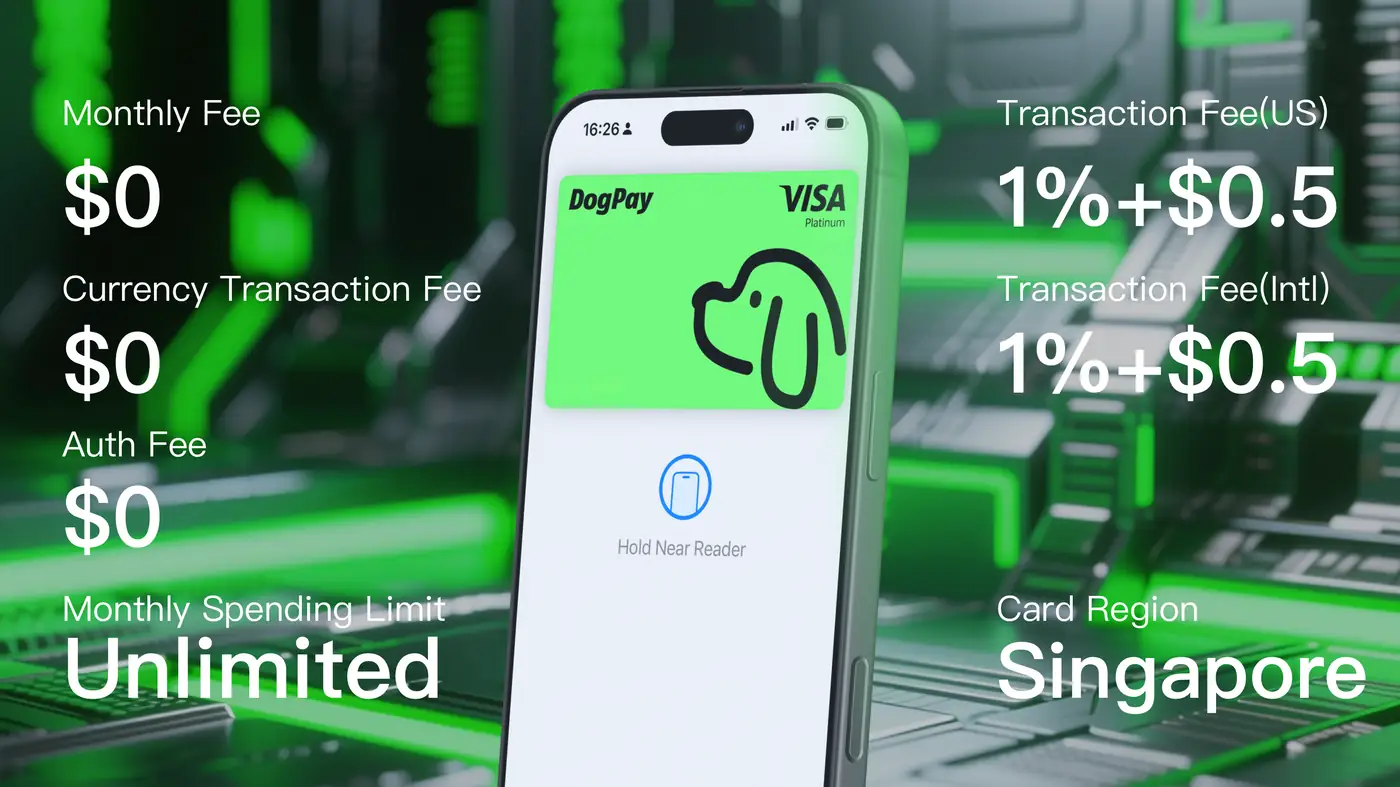
Businesses often need to decide between virtual and physical cards for different payment scenarios. Virtual cards are digital payment methods that provide a card number, expiry, and CVV without a physical token. They suit online transactions, subscriptions, and remote team spend. Physical cards remain useful for in-person purchases, travel, or situations where a tangible card is required.
Virtual cards enable faster issuance and better spend controls. A finance team can create a virtual card for a specific vendor or project, assign a limit, and disable it when no longer needed. This helps manage recurring billing and ad spend without exposing main accounts.
Physical cards, however, support offline environments. They are practical for business travel, client meetings, or emergency expenses where digital payment may not be available. Physical cards can also be assigned to employees, allowing clear attribution of expenses.
DogPay offers access to both virtual and physical cards, enabling businesses to align card type with use case. Virtual cards can be generated quickly for one-off or recurring payments, while physical cards support broader employee expenses. DogPay helps with card issuance, spend visibility, and transaction categorization across fiat and stablecoin funding.
DogPay helps integrate card payments with your business workflow. With a global account and card infrastructure, DogPay can help you manage both virtual and physical cards, set controls, and monitor spend in real time. Whether paying suppliers online or on the go, DogPay can help streamline your payment operations.