DogPayCard
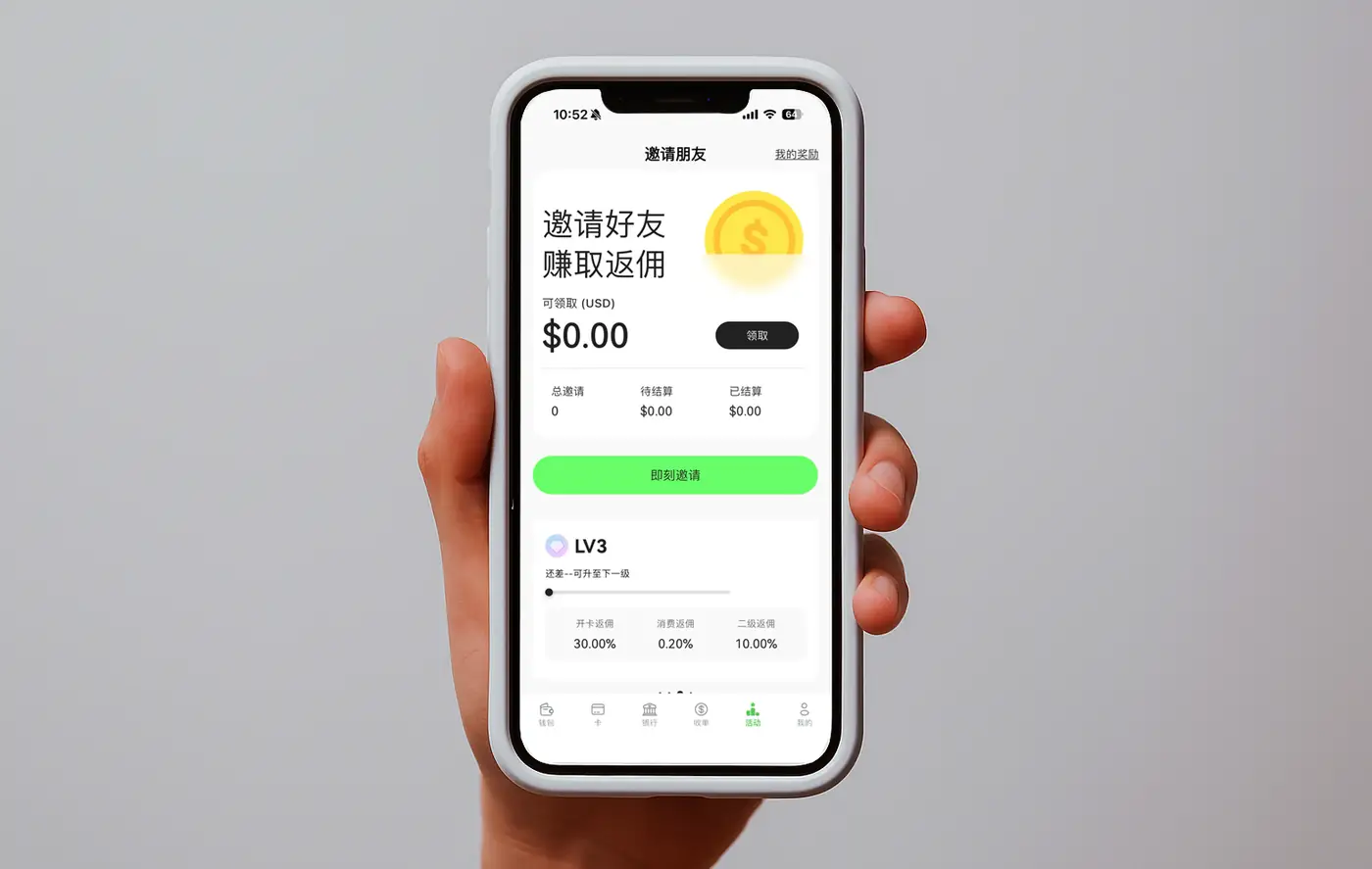
Businesses looking to streamline payments and manage global spending are turning to crypto virtual cards. DogPay offers a solution that combines dedicated virtual cards with global accounts and stablecoin settlement, helping finance teams handle expenses more efficiently.
A key use case is simplifying vendor payments. Instead of relying on traditional banking rails, you can fund a DogPay global account with stablecoins, then use virtual cards for online purchases and subscriptions. This approach can reduce friction when paying international suppliers, as you're not bound by conventional banking hours or intermediary fees.
For daily spend, DogPay virtual cards provide better control. You can issue cards with set limits for specific departments or projects, which helps enforce budgets and reduce unauthorized spending. Real-time transaction visibility allows you to monitor expenses as they occur, making reconciliation easier.
DogPay also supports stablecoin settlement, meaning you can hold funds in USDC or other digital assets and convert them at point-of-sale or online. This can be particularly useful for companies with crypto treasuries or those operating across borders.
When using DogPay, it's important to note that not all merchants accept crypto-backed cards, and approval isn't guaranteed. Always have a backup payment method. Additionally, DogPay doesn't automatically top up cards; you need to manage balances manually or set up your own processes.
In summary, DogPay can help your business with dedicated virtual cards, global accounts, stablecoin settlement, and improved spend visibility. By integrating these tools into your payment operations, you can handle vendor payments, daily expenses, and international transactions with greater flexibility and control. Start by exploring how DogPay aligns with your current payment architecture and compliance requirements.