DogPayCard
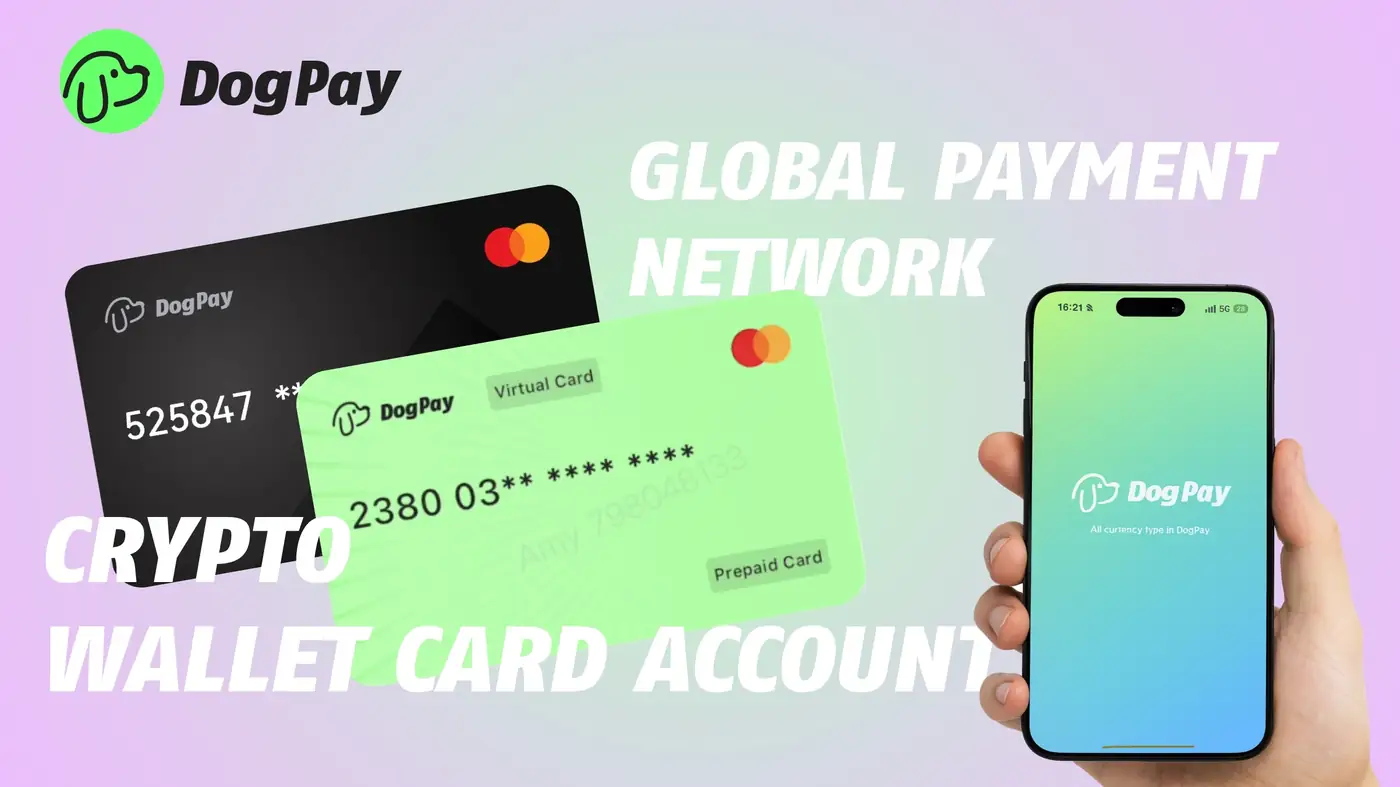
Businesses operating across borders often handle both fiat and digital assets. Keeping track of spending in multiple currencies can become complex. DogPay offers a practical approach with separate accounts and dedicated cards that can help you manage outflows.
One way to control spend is by using dedicated virtual cards for specific projects or teams. With DogPay, you can create cards linked to funded balances, avoiding the need for a central account with unlimited access. This allows you to set boundaries on where and how funds are used.
Global accounts in multiple currencies let you hold and settle funds in local denominations. This can reduce conversion surprises and gives you a clearer view of your cash positions. When using stablecoins like USDC for settlement, transactions can be processed on-chain with a transparent audit trail, supporting better reconciliation.
Visibility is key. DogPay provides tools to monitor transactions across both fiat and crypto, helping you identify spending patterns and adjust budgets accordingly. However, results vary based on your specific use case and risk management practices. DogPay does not automatically approve or guarantee card acceptance—it is important to verify with your team and merchants.
For recurring payments or subscriptions, you can issue cards with limits that align with your budget cycles. This approach can minimize the risk of overspending.
DogPay fits into your payment workflow as a platform that bridges traditional and digital finance. It offers global accounts, card issuance, and stablecoin settlement in one place. By using these tools, you can maintain better control over your payment operations, but always review your policies and test within your own environment. DogPay supports your efforts—it does not replace the need for internal controls.