DogPayCard
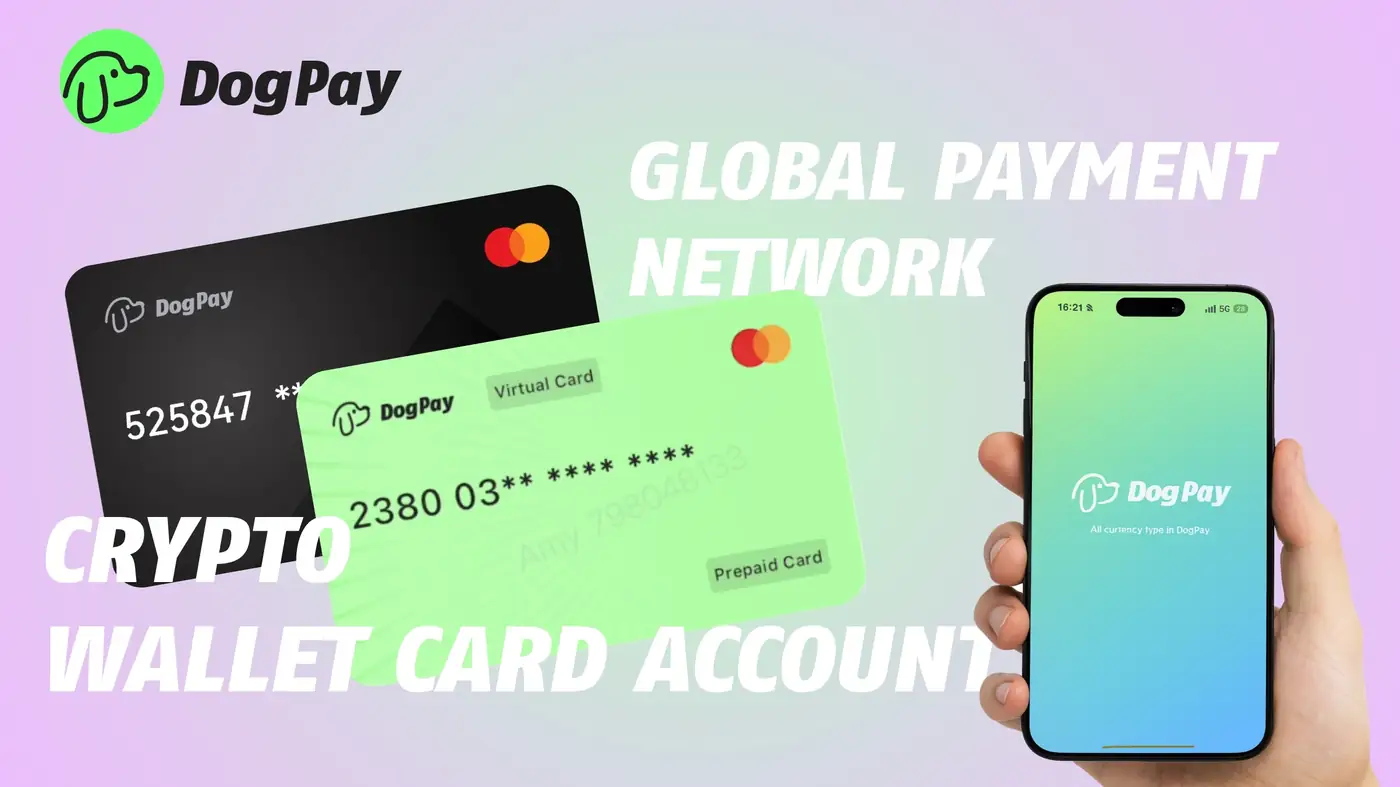
Businesses juggling fiat and crypto payments often struggle with scattered tools and weak oversight. DogPay offers a practical way to unify spend control. By holding both fiat and stablecoin in one dashboard, teams can allocate budgets per project or department. Dedicated virtual cards can be issued for specific vendors or teams, so each card has its own limit. This structure helps prevent overspending and simplifies reconciliation.
DogPay's global accounts let you send and receive payments in multiple currencies, reducing the friction of cross-border transactions. For crypto-heavy operations, stablecoin settlement can speed up settlements while maintaining transparency. The wallet and payment infrastructure is designed to give finance teams real-time visibility into where funds go—whether in fiat or digital assets.
However, DogPay is a tool, not a guarantee. Card acceptance varies by merchant, and compliance requirements depend on your jurisdiction. It works best when you pair it with clear internal policies. For example, set card limits based on project needs, review transactions weekly, and use the dashboard to spot anomalies.
Ultimately, DogPay can help streamline spend control by consolidating fiat and crypto into one system. It supports dedicated cards, global accounts, and stablecoin settlement, giving finance teams more control and clarity. If you are looking to modernize payment operations, DogPay offers a flexible foundation to build upon.