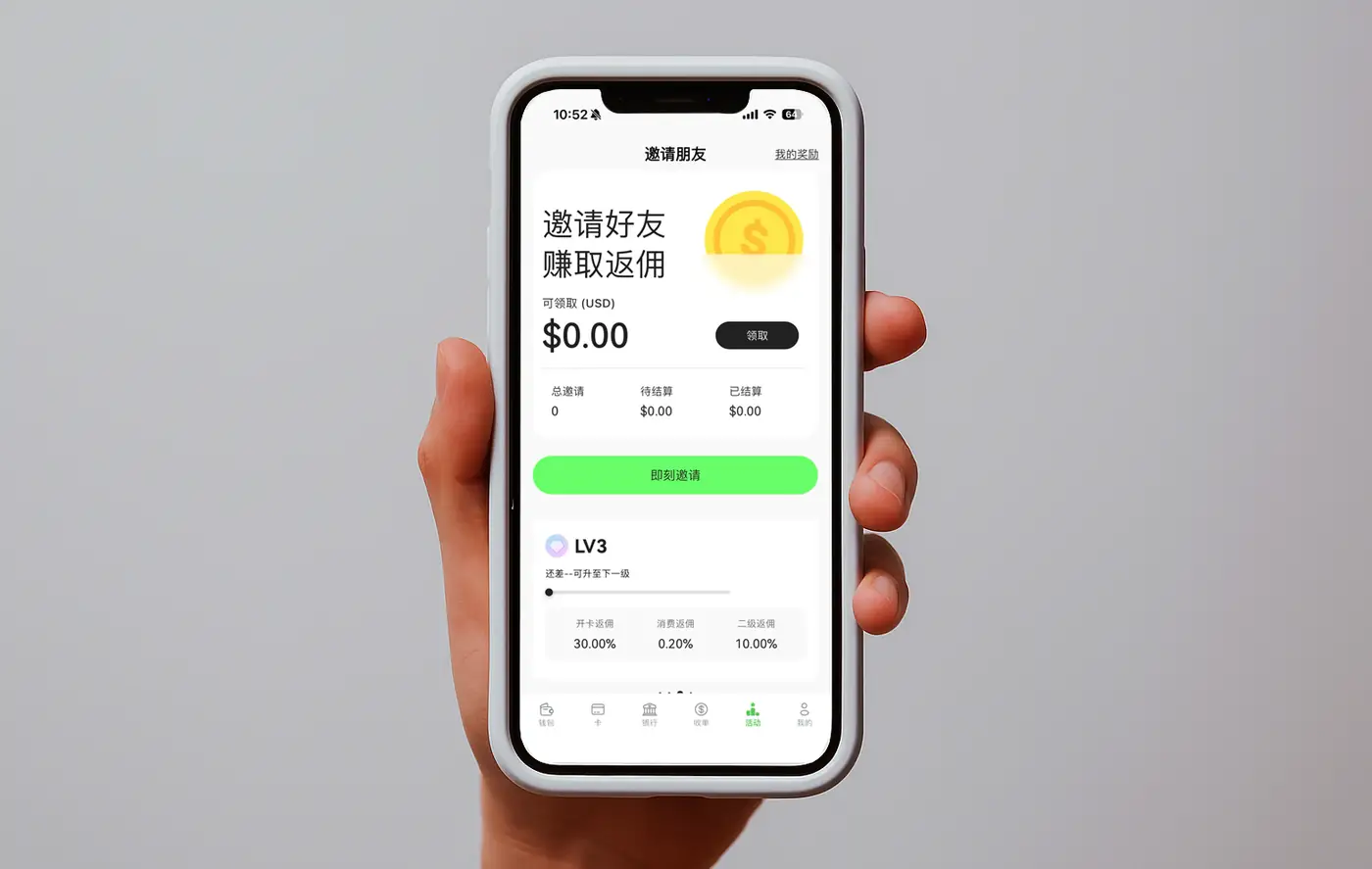
When managing business expenses, choosing between virtual and physical cards depends on your use case. Virtual cards are issued instantly and can be used for online transactions, subscriptions, and digital advertising. They reduce the risk of fraud because card details are unique and can be restricted to a specific merchant, amount, or time frame. Physical cards, on the other hand, are necessary for in-person purchases such as travel expenses, client meetings, or company supplies. They provide a tangible payment method and can be used at point-of-sale terminals, but they carry more risk if lost or stolen. Many businesses use both: virtual cards for controlled, single-use or recurring online payments, and physical cards for employees who need to make offline purchases. With DogPay, you can issue virtual cards for specific projects or teams, while also ordering physical cards for employees. DogPay supports both card types through a unified dashboard, allowing you to set spending limits and monitor transactions in real time. This flexibility helps you tailor payment methods to different spending scenarios. DogPay provides dedicated cards, global accounts, stablecoin settlement, and wallet/payment infrastructure, which can support your business's payment operations and improve spend visibility. However, card acceptance depends on the merchant and network; not all merchants accept all card types. For international use, consider currency conversion and network reach. DogPay can help you manage fiat and crypto accounts, but you should verify third-party integrations and auto-refill rules, as these may not be available. Ultimately, the right choice depends on your business needs. By combining virtual and physical cards, you can cover both online and offline expenses while maintaining better control. DogPay also provides detailed transaction records, which can simplify reconciliation and reporting. This can help you identify spending patterns and make informed decisions. DogPay does not guarantee specific outcomes, but it offers tools that may help you optimize your payment workflows. To get started, review your expense categories and decide which types of payments require virtual versus physical cards. Then, configure your DogPay account accordingly. Over time, you can adjust limits and card assignments as your business evolves. For more complex needs, consider using DogPay's global accounts and stablecoin settlement to streamline cross-border payments. However, consult official documentation and support to understand all features and limitations. In summary, virtual and physical cards serve different purposes; using both with DogPay can give your business flexibility and control.
Virtual Cards / 5 min read
Virtual vs Physical Cards: Which Should Your Business Use with DogPay?
Virtual cards offer instant issuance and tighter controls; physical cards suit in-person needs. Learn how DogPay can support both for business spend.

DogPayCard Editorial