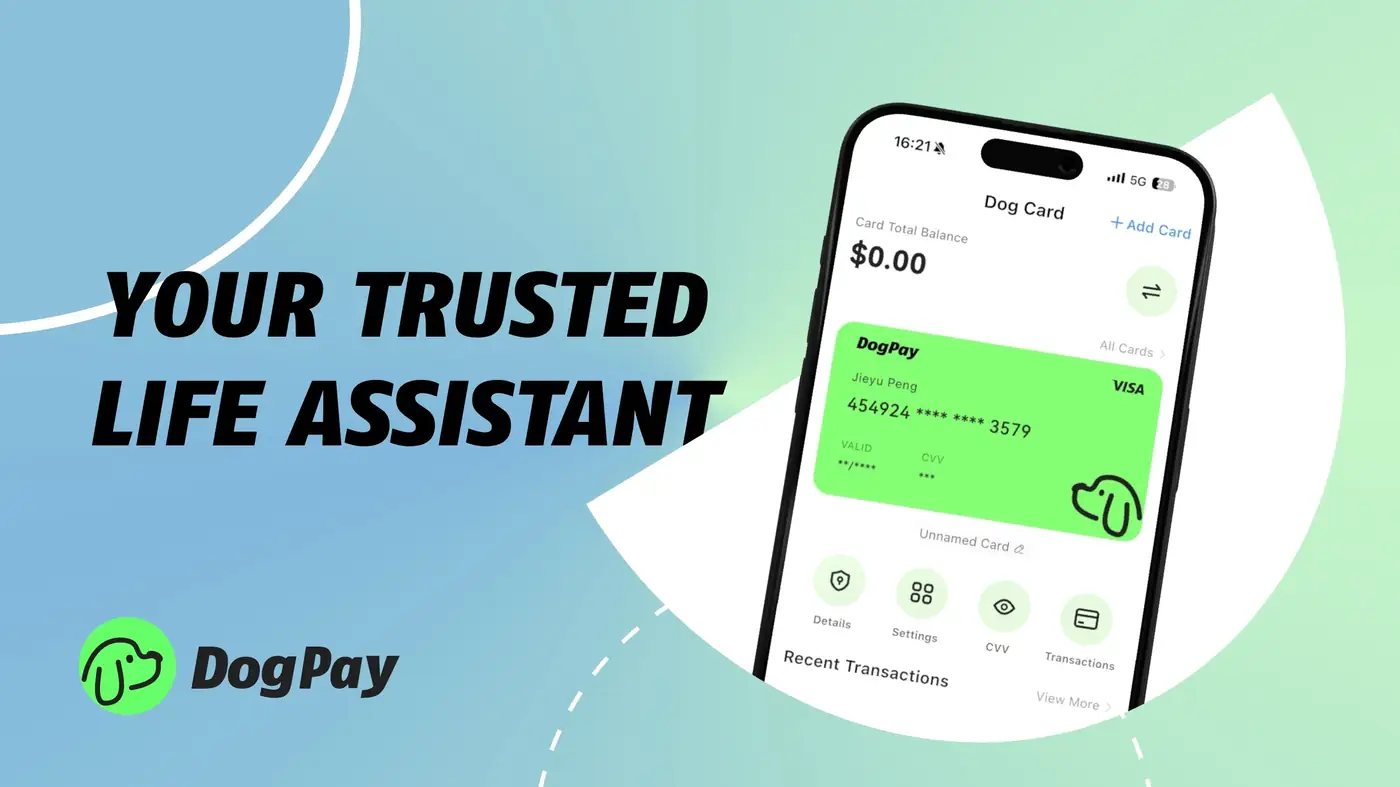
Choosing between virtual and physical cards depends on where and how your team spends. Virtual cards are issued with unique card details and are well suited for online payments, subscription services, and ad platforms. They allow you to create dedicated cards for each vendor or project, which can help with spend visibility and control. Physical cards, on the other hand, are useful for in-person expenses like travel, team off-sites, or fuel purchases. With DogPay, you can hold both fiat and stablecoin balances and use either card type to settle transactions. Virtual cards can be generated for specific merchants or budgets, and physical cards can be used where chip or swipe is needed. Many businesses combine both: virtual cards for recurring or online spend and physical cards for on-the-go needs. When selecting, consider the nature of the purchase, the need for card controls, and how funds are managed. For example, a marketing team might use virtual cards per ad account, while a sales team uses physical cards for client dinners. DogPay supports global accounts and offers stablecoin settlement, giving you flexibility in funding. DogPay can help with dedicated cards, global accounts, stablecoin settlement, wallet infrastructure, and spend visibility. By integrating virtual and physical cards with your payment operations, DogPay simplifies how your business manages expenses across different scenarios. Whether you need to control online spend or handle in-person payments, DogPay can provide the infrastructure to support your workflows.
Virtual Cards / 4 min read
Which Should Your Business Use: DogPay Virtual Cards or Physical Cards?
Explore how DogPay virtual cards and physical cards fit different business needs—from online spend to in-person purchases—and how to choose for your workflows.

DogPayCard Editorial