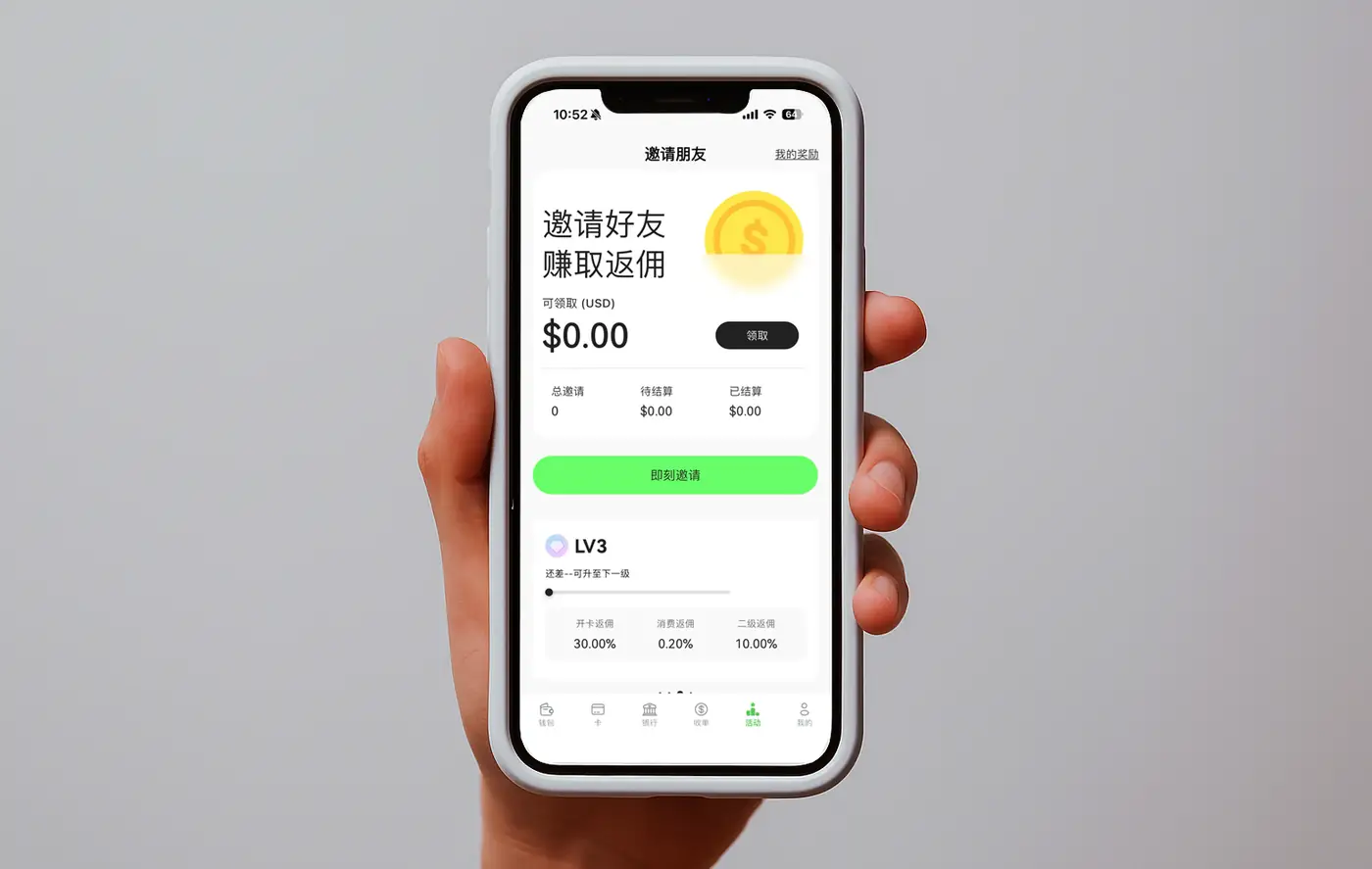
DogPayCard
When your business needs to pay for software subscriptions, digital ads, or contractor services, a DogPay virtual card offers quick issuance and dedicated limits. Virtual cards are generated instantly and can be used for online transactions where you enter card details. They help keep spending confined to specific vendors or projects, reducing the risk of misuse. Because virtual cards exist only in digital form, they can be paused or canceled without waiting for a plastic card to arrive.
On the other hand, a DogPay physical card may be more practical for in-person expenses like team travel, client meetings, or office supplies. Physical cards allow employees to make purchases at terminals where chip or magnetic stripe payment is expected. However, physical cards require shipping time and carry the same physical risks as any plastic card.
Many businesses combine both. They use virtual cards for predictable online recurring charges, and physical cards for ad-hoc offline needs. DogPay can help you set up both card types under your global accounts, with spending visibility across fiat and crypto balances. This flexibility lets you match payment method to the context of each purchase, improving control without forcing a one-size-fits-all approach.
DogPay supports virtual and physical card issuance, global accounts, stablecoin settlement, and wallet infrastructure. By offering both card forms, DogPay can help your team manage payments across different scenarios while maintaining a clear view of where money goes. As with any payment tool, results depend on your specific workflows and card network acceptance, so test both types to see which better fits your daily operations.