DogPayCard
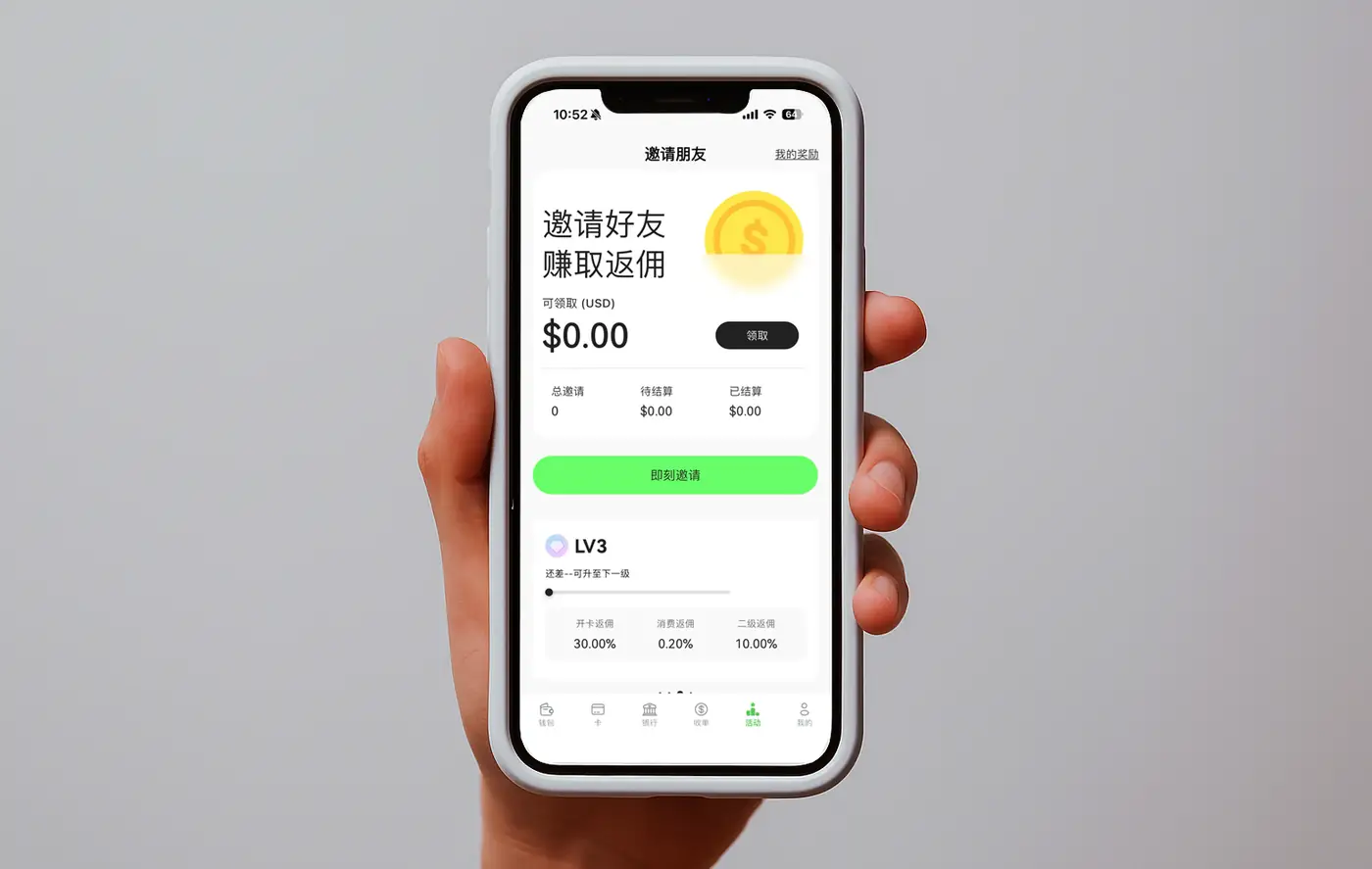
Businesses exploring crypto virtual cards need a practical way to manage spending while keeping control. DogPay offers a workflow built around virtual cards, global accounts, and stablecoin settlement. Instead of relying on traditional banking rails alone, you can fund accounts with stablecoins and issue dedicated virtual cards for specific teams, projects, or vendors.
A common use case is international payments. With a DogPay virtual card, you can pay for software subscriptions, online ads, or contractor services in multiple currencies without opening multiple bank accounts. The card is linked to a global account that you can top up with USDC or other supported stablecoins. This gives you a predictable way to manage cash flow while avoiding some of the friction of cross-border wire transfers.
Spend visibility is another benefit. DogPay provides transaction-level data, which helps you track where money goes and reconcile expenses more easily. You can set spending limits per card and pause or cancel cards instantly if needed. That level of control is especially useful for remote teams or departments with separate budgets.
However, keep expectations realistic. Not every merchant accepts virtual cards, and some transactions may require additional verification. DogPay can help with the infrastructure and operational side, but it cannot guarantee acceptance or eliminate all payment failures. Also, consider compliance requirements in your jurisdiction. Stablecoin settlement may involve extra reporting obligations, so consult with a financial advisor.
DogPay fits into your payment workflow as a flexible layer between your crypto assets and everyday business spending. By combining virtual cards, global accounts, and stablecoin settlement, you can streamline operations, reduce reliance on traditional banking, and maintain better control over company funds.