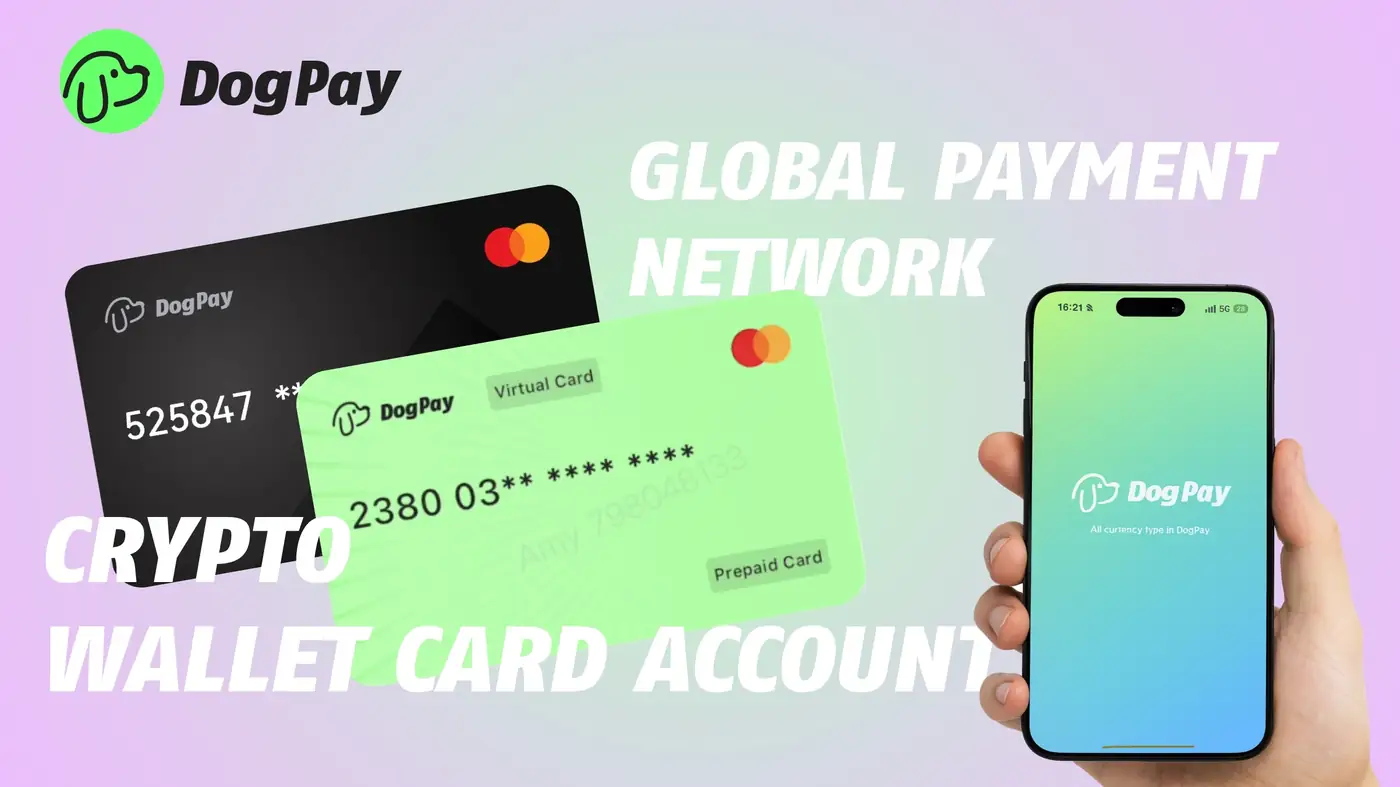
When managing business spend, choosing between virtual and physical cards depends on the payment context. Virtual cards are generated digitally and are well suited for online transactions such as SaaS subscriptions, ad platforms, and ecommerce purchases. They can help reduce the risk of exposing primary account details and can be issued quickly for one-time or recurring use. Physical cards, on the other hand, are needed for in-person expenses like client meetings, travel, or team purchases where a card must be present. DogPay can provide dedicated cards for team members or specific projects, giving finance teams clearer visibility into spending. Using virtual cards for digital payments can streamline approval workflows and keep online spend separate from offline costs. Physical cards can be assigned to employees for on-the-go needs. A practical approach is to combine both: virtual cards for routine online payments and physical cards for occasional, location-based purchases. This way, each payment method fits its intended context. DogPay can support this flexible workflow by enabling you to manage both card types from a single platform. With features like spend controls and real-time transaction data, DogPay can help you monitor where money goes, whether the card is used online or in person. Ultimately, choosing virtual or physical depends on your team's daily operations. Review your spending patterns and choose the card type that aligns with each use case. For global businesses, DogPay can also work with stablecoin settlement to offer an efficient alternative payment rail, potentially reducing cross-border friction. By integrating virtual and physical cards with robust payment infrastructure, DogPay aims to simplify how your business handles payments.
Virtual Cards / 5 min read
Virtual Card vs Physical Card: How Should Businesses Use DogPay?
DogPay offers both virtual and physical cards. Learn how each supports different business spending scenarios, from online subscriptions to in-person purchases.

DogPayCard Editorial