
How Can Startups Use DogPay Virtual Cards for Controlled Team Spending?
 DogPayCard Editorial
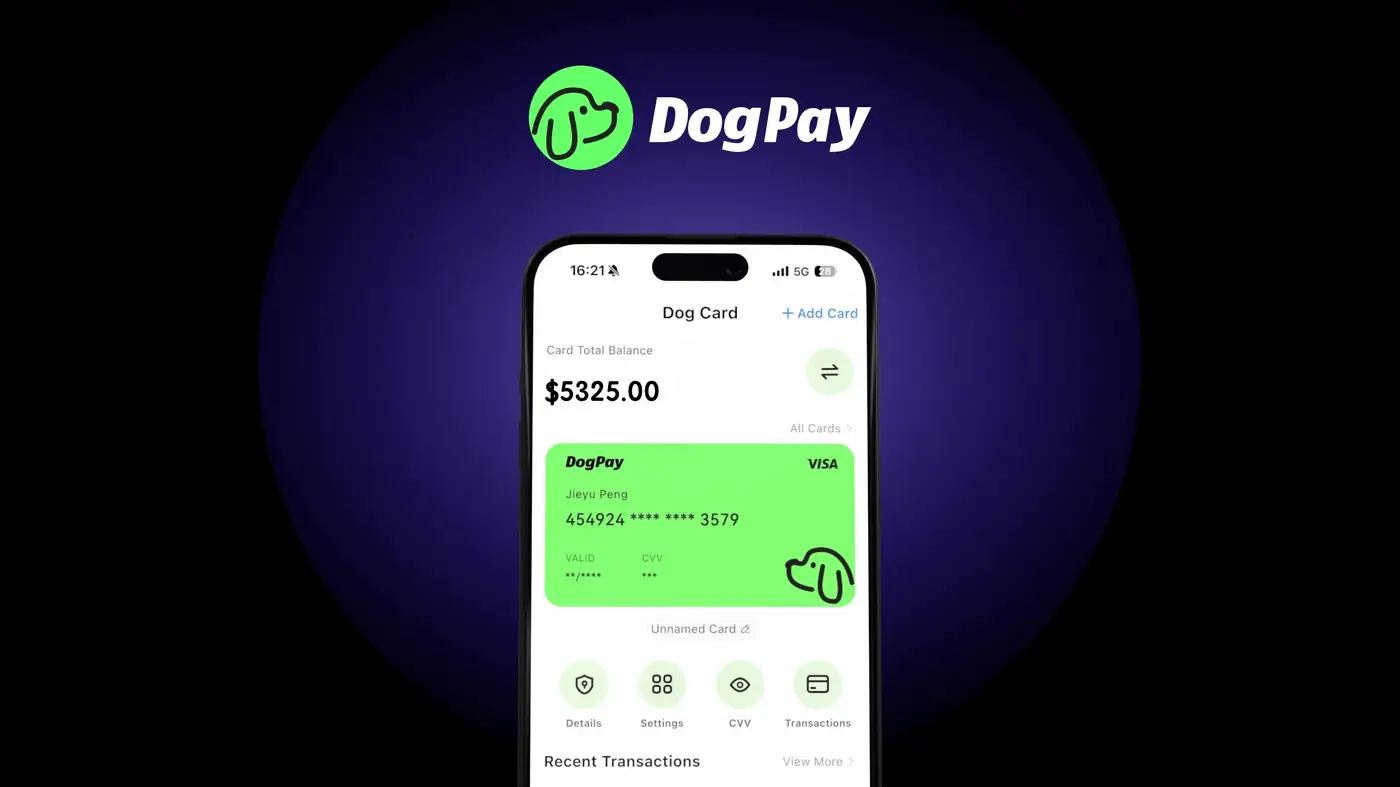
Startups often struggle with team spending — from software subscriptions to travel and marketing. DogPay virtual cards offer a practical way to manage these costs. Instead of handing out a single company card, you can issue individual virtual cards to each team member or even for specific vendors. Each card can have its own spending limits, which you can set based on roles or project needs. This helps prevent overspending and reduces the risk of unauthorized transactions.
DogPay virtual cards are connected to your business account, and transactions are recorded in real time. This means you can see where money is going as it happens, giving you better spend visibility. Since DogPay uses stablecoin settlement, you can fund these cards with digital assets, which might simplify cross-border payments and reduce currency conversion issues.
To get started, you would typically create a DogPay business account, fund it with supported stablecoins, and then issue virtual cards to your team. You can set limits per card, and if a card is compromised or no longer needed, you can freeze or close it quickly. It's a flexible system that adapts to your startup's changing needs.
For startups, controlling spend is not just about limits — it's about having the right tools to monitor and adjust as you grow. DogPay provides the infrastructure to issue, manage, and track virtual cards, while also offering global account options and wallet features. It can help streamline your payment operations, but remember that actual approval and acceptance depend on each vendor and transaction. Always review your spending policies and adjust card limits as your team evolves.
DogPay fits into a startup's payment workflow by offering a centralized platform for card issuance, spend tracking, and settlement via stablecoins. It supports your finance team with tools to manage budgets and reconcile expenses, all while keeping your team agile and accountable.