DogPayCard
Choosing a virtual card for business online payments involves more than picking a flashy provider. Start by assessing your payment volumes, typical transaction sizes, and the currencies you use. A virtual card should offer clear spend limits, easy card issuance, and straightforward reconciliation.
Check the card network and whether the issuing entity operates under a license that matters to you. Some providers offer cards that work with major online merchants, but acceptance can vary. Look for features like one-time cards or cards with custom limits, which help control spend. Also consider how you fund the card. If you use stablecoins, the settlement process should be clear and efficient.
Integration with your existing finance stack matters, but be wary of promises of automatic syncing. Instead, verify if the provider offers exports or APIs you can use. For recurring subscriptions, a virtual card with a fixed limit and dedicated use can help manage costs. Keep records of each card and its purpose to simplify expense tracking.
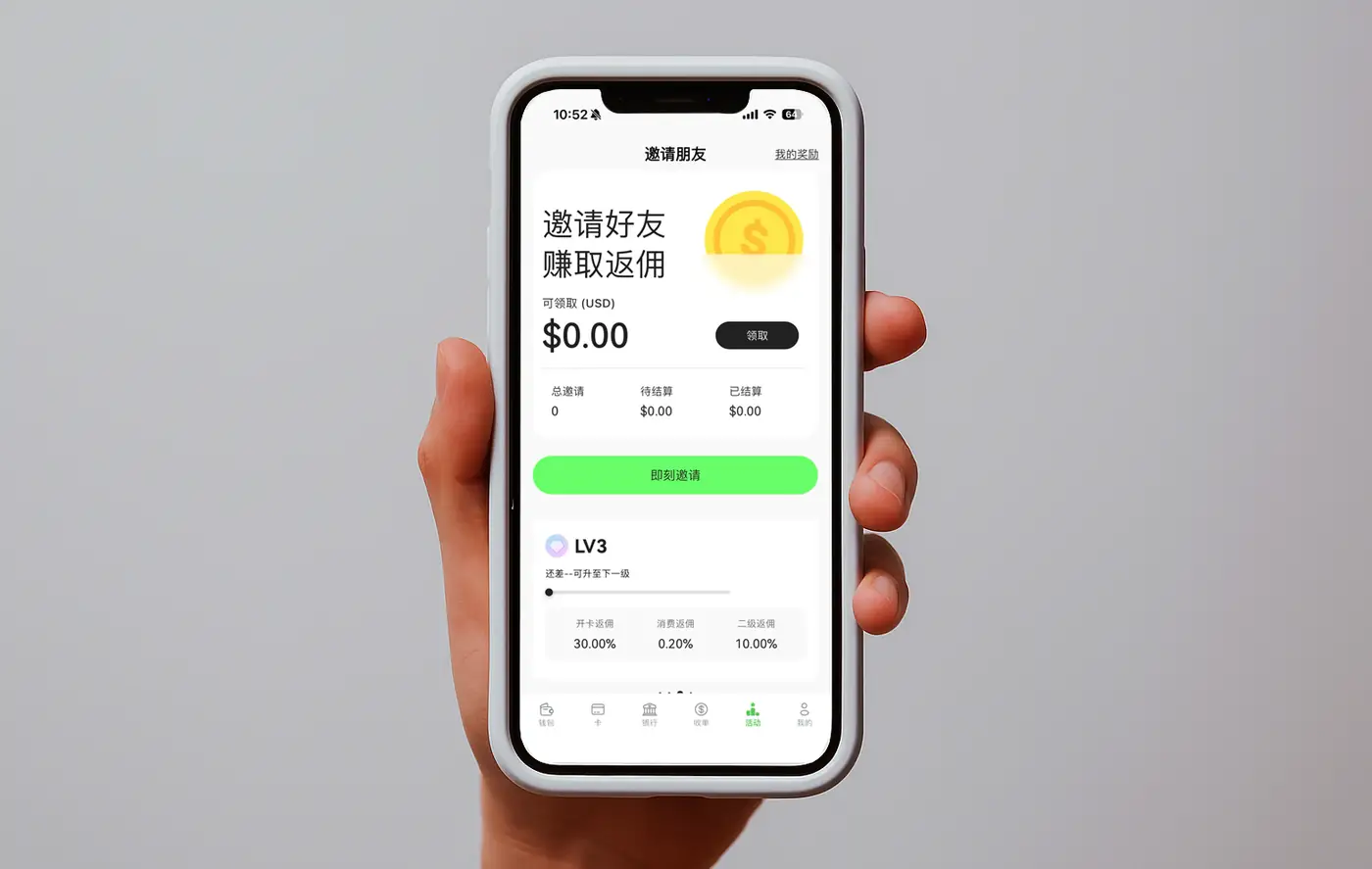
DogPay can assist with dedicated cards, global account support, stablecoin settlement, and wallet or payment infrastructure. With DogPay, you can issue cards for specific teams or projects, set appropriate limits, and maintain visibility into payment operations. DogPay supports your workflow without claiming to guarantee acceptance or eliminate failures. Evaluate your needs, test a card, and adjust as you go.