DogPayCard
Businesses often ask whether virtual or physical cards are the right fit for their operations. The answer depends on the payment context and the level of control required.
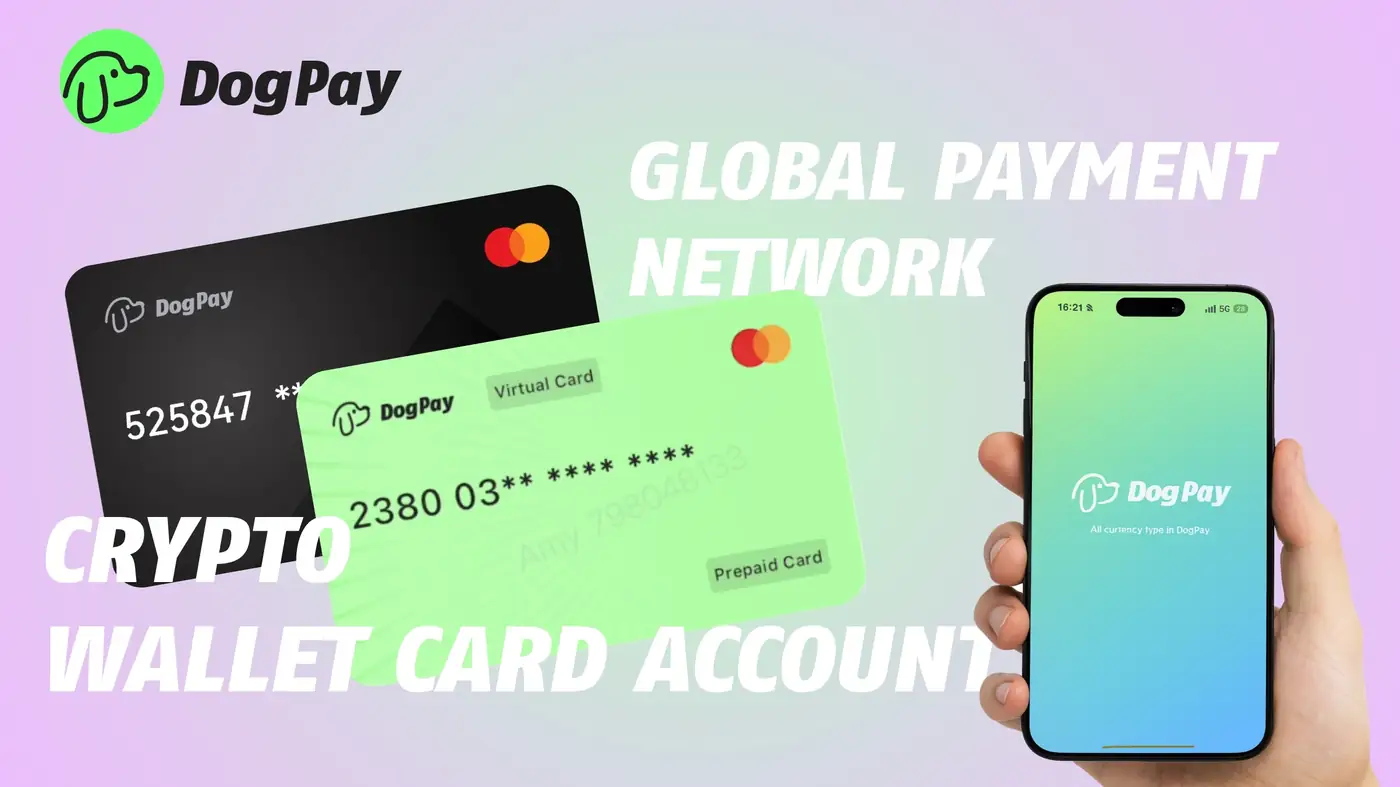
Virtual cards with DogPay are useful for online transactions, subscription services, and any recurring digital spend. They help keep merchant-specific limits in place and allow teams to share card details without exposing a central account. Physical cards, on the other hand, are suited for in-person purchases like team travel, client meetings, or office supplies.
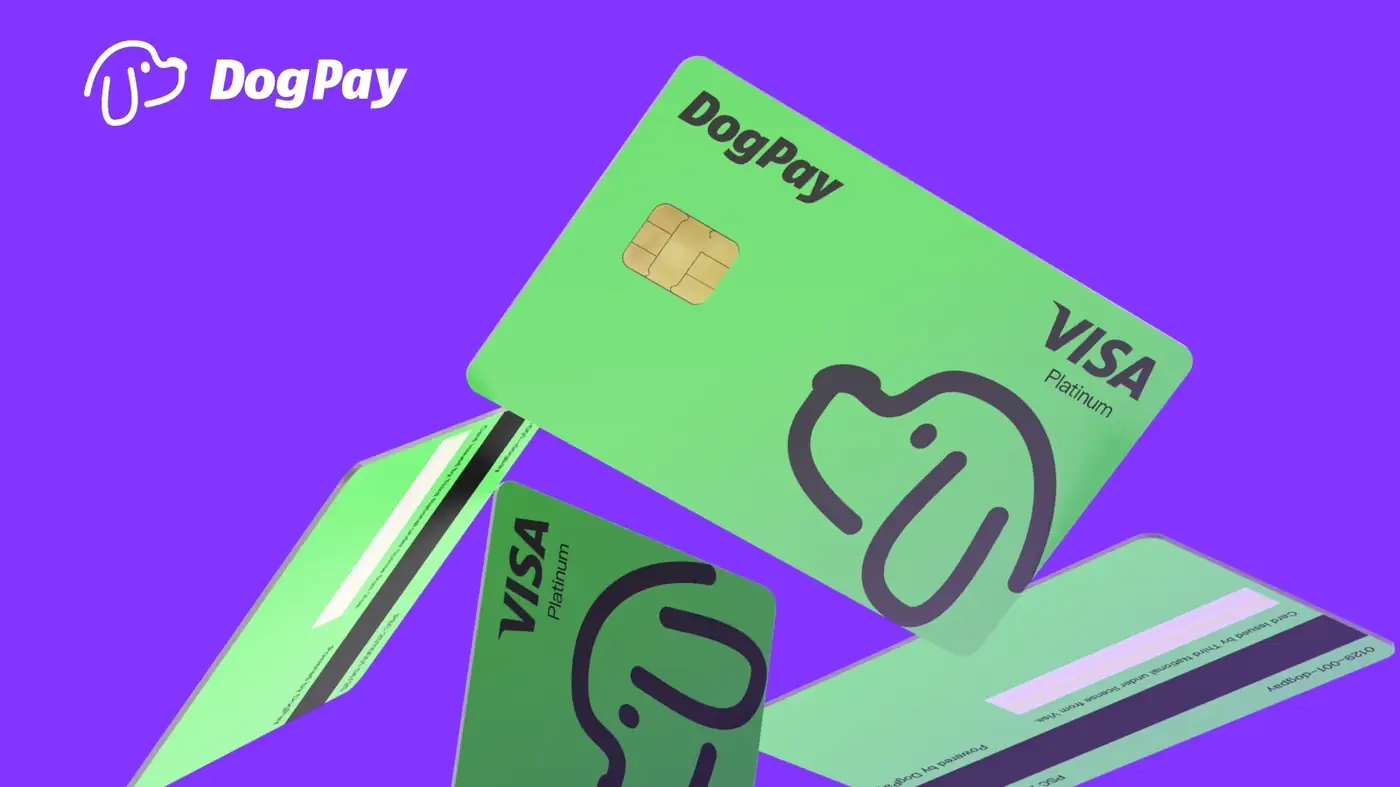
DogPay can provide both card types, but they serve different workflows. Virtual cards can be created quickly for specific vendors or projects, while physical cards may be assigned to individual employees for on-the-ground expenses. You can manage both from the same dashboard, setting spending boundaries and monitoring activity.
For teams that operate across borders, DogPay enables global accounts and stablecoin settlement, which can simplify payments to international merchants or contractors. However, acceptance depends on the merchant and card network, so testing with small transactions is wise.
Integrating either card type into your business requires clear policies. Decide who needs virtual access for online purchases, and who needs a physical card for travel or retail. Review transaction data regularly to spot patterns and adjust limits accordingly.
DogPay fits into this workflow by offering dedicated virtual and physical cards linked to global accounts. It supports stablecoin settlement and provides wallet and payment infrastructure that helps you manage spend visibility and payment operations. While DogPay does not guarantee approval for every transaction or merchant, it can be a practical tool for controlling business expenses across digital and physical channels.