
How Can Businesses Use DogPay for Global SaaS Payment While Keeping Spend Control?
 DogPayCard Editorial
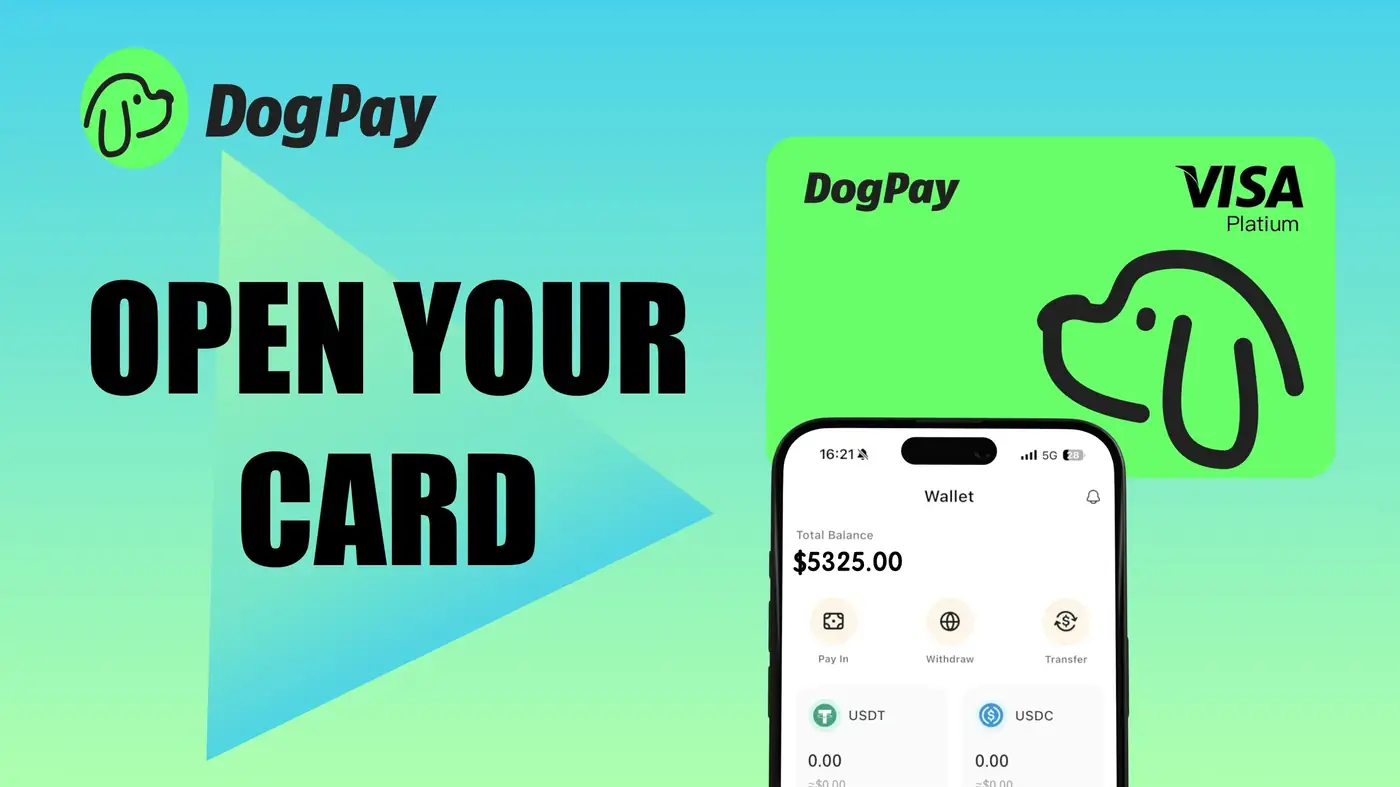
Global SaaS payment gets harder when subscriptions renew across currencies, vendors, and teams. Businesses need a payment setup that supports spend control without adding manual work. DogPay can help teams approach global SaaS payments with dedicated cards, global accounts, and wallet or payment infrastructure designed for online software spend.
Start by mapping recurring software vendors: AI tools, cloud billing, analytics, design platforms, and internal tools. Instead of sharing one general card, businesses can use dedicated virtual cards for specific vendors or departments. This helps finance teams see which card belongs to which subscription, making spend visibility easier and reducing confusion when a charge appears.
For cross-border SaaS vendors, DogPay global accounts and stablecoin settlement can support payment workflows where local card rails or banking routes may be slow or limited. When a SaaS payment card is declined, a backup card or alternative payment path through DogPay can help keep vendor payments moving while the team resolves the issue.
Spend control comes from structure: separate cards by vendor, set internal usage rules, review recurring charges, and reconcile payments against invoices. DogPay can help with payment operations and reporting context, but it does not replace accounting software or guarantee vendor acceptance. Approval depends on the provider and compliance checks.
For teams managing many subscriptions, DogPay fits the workflow by combining virtual cards, global account infrastructure, and stablecoin settlement options in one payment stack. It supports spend control for global SaaS payments while keeping finance teams closer to vendor activity.