
Overseas vendor declined my business card—what causes it and how can DogPay help?
 DogPayCard Editorial
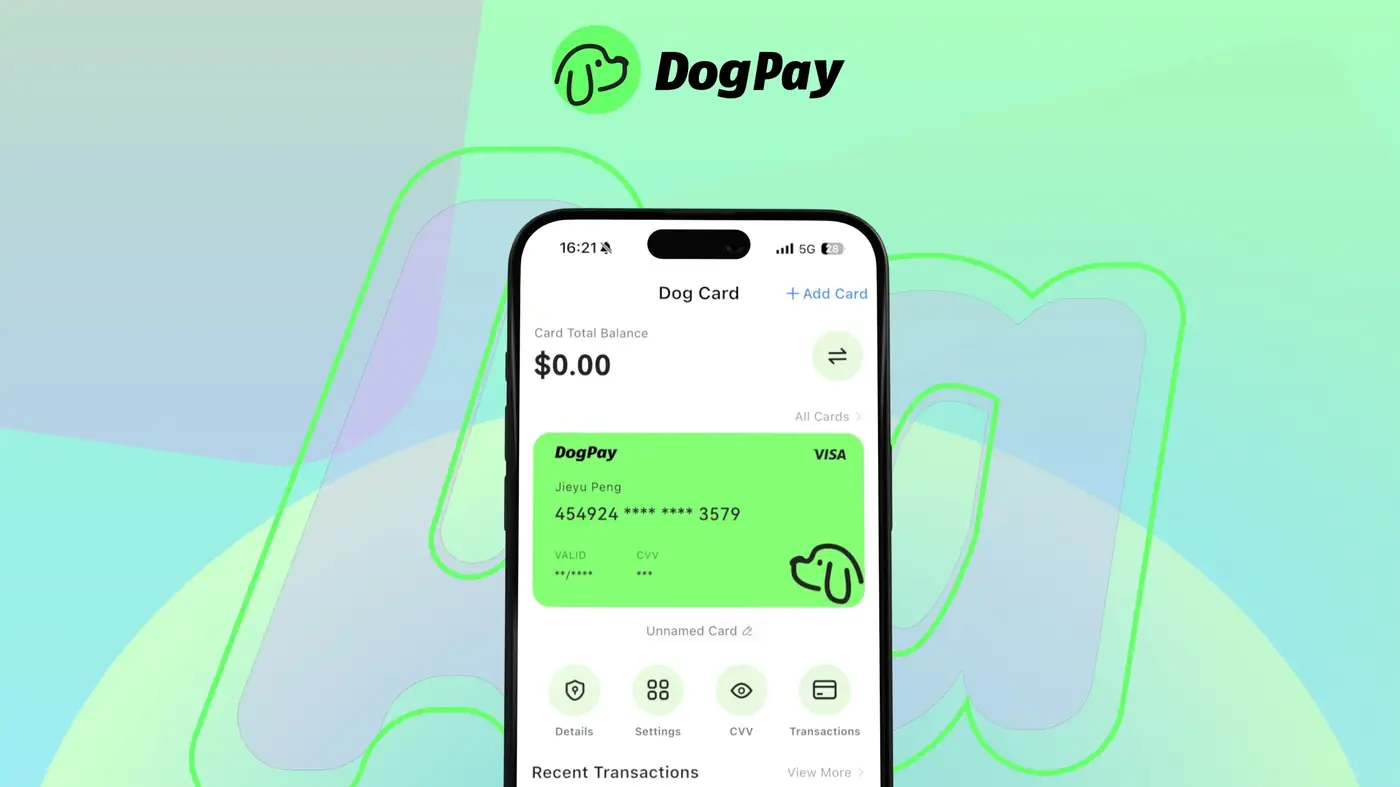
The problem: your card works locally, but overseas merchants keep declining it If you’re trying to pay for international software, AI tools, ad platforms, or global subscriptions, a “card declined” message can show up even when: You have enough available funds The merchant is legitimate The same card works fine in your home country
Overseas merchants tend to run stricter fraud and compliance checks. Business cards (especially corporate or region‑issued cards) can fail these checks more often than people expect.
Why overseas merchants decline business cards (common causes) Below are the most frequent reasons global merchants reject business cards at checkout or during subscription renewals.
1) Cross‑border risk rules and “out‑of‑region” behavior Many payment processors score transactions higher risk when the merchant country, IP location, and card issuing region don’t line up. Some merchants will automatically block “foreign” cards to reduce chargebacks.
What it looks like: instant decline, sometimes with vague messages like “payment not supported” or “try another card.”
2) Issuer restrictions on international or online merchants Your bank or card issuer may block certain merchant categories, countries, or card‑not‑present transactions by default (especially for newer cards, SMB cards, or cards without international e‑commerce enabled).
What it looks like: your bank app shows a declined authorization, sometimes labeled “suspected fraud.”
3) AVS / billing address mismatch Some merchants (especially subscription platforms) verify billing address details more strictly. If your billing address format doesn’t match what the issuer expects—or the merchant can’t validate it across borders—AVS can fail and the merchant declines the tx