
How Businesses Use DogPay for Spend Control in Digital Finance
 DogPayCard Editorial
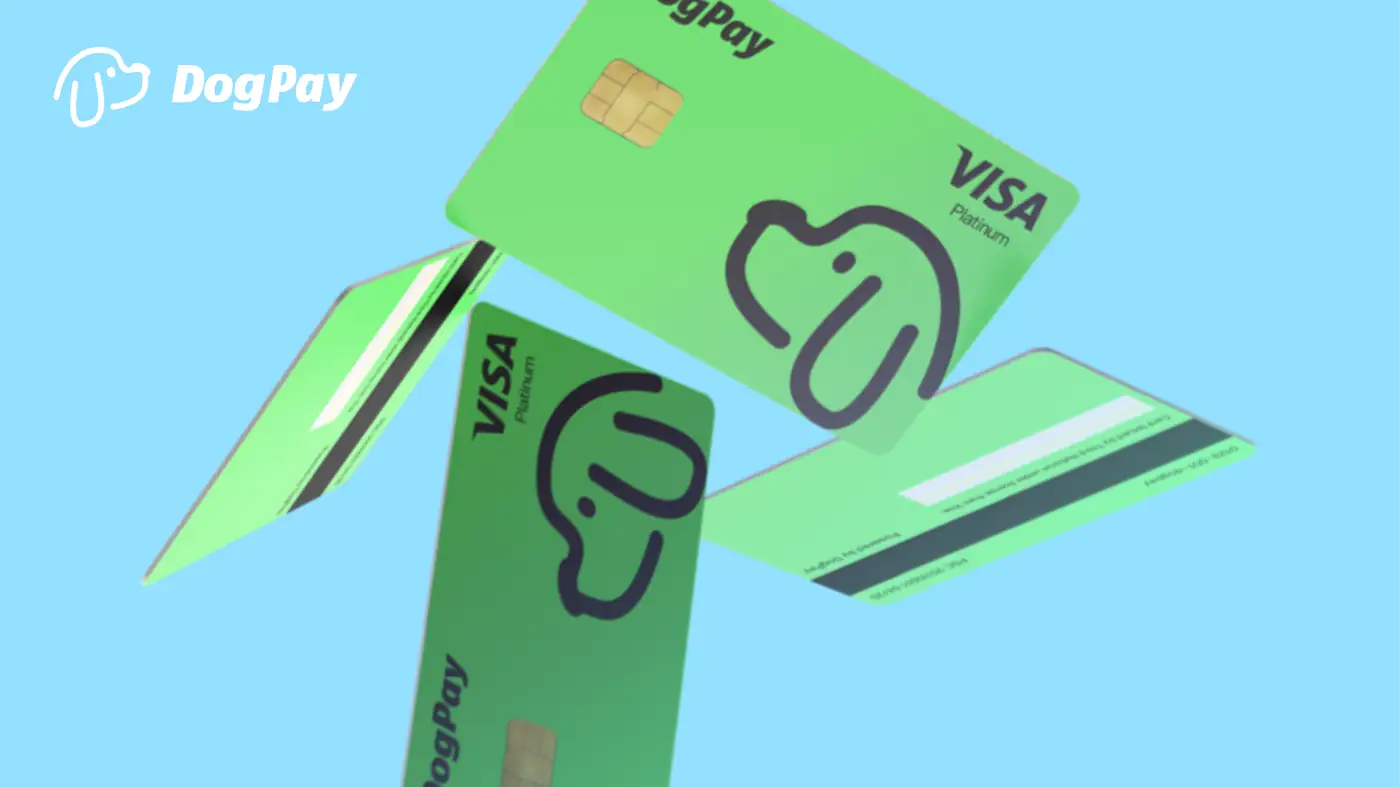
Managing business spending across multiple teams and geographies can be complex. Digital financial infrastructure like DogPay supports spend control by providing dedicated virtual cards with adjustable limits, enabling finance teams to allocate budgets per department or project. Real-time transaction data and stablecoin settlement offer transparency and faster reconciliation. Businesses can also hold funds in global accounts and convert currencies at competitive rates, reducing the friction of cross-border payments. While DogPay does not guarantee automatic top-ups or universal acceptance, it provides tools to set spending boundaries, monitor usage, and integrate with existing payment workflows. This structure helps finance leaders maintain oversight without slowing down operations. For companies building Web3 payment infrastructure, DogPay offers wallet and card capabilities that work alongside decentralized finance rails. Spend control becomes a matter of policy, not guesswork. DogPay fits into the payment workflow by issuing programmable cards that can be funded via stablecoins or fiat, enabling businesses to pre-fund specific initiatives while keeping the rest of treasury in reserve. This separation of funds helps prevent overspending and simplifies accounting. DogPay is not a bank but provides payment infrastructure that can complement existing financial systems.