DogPayCard
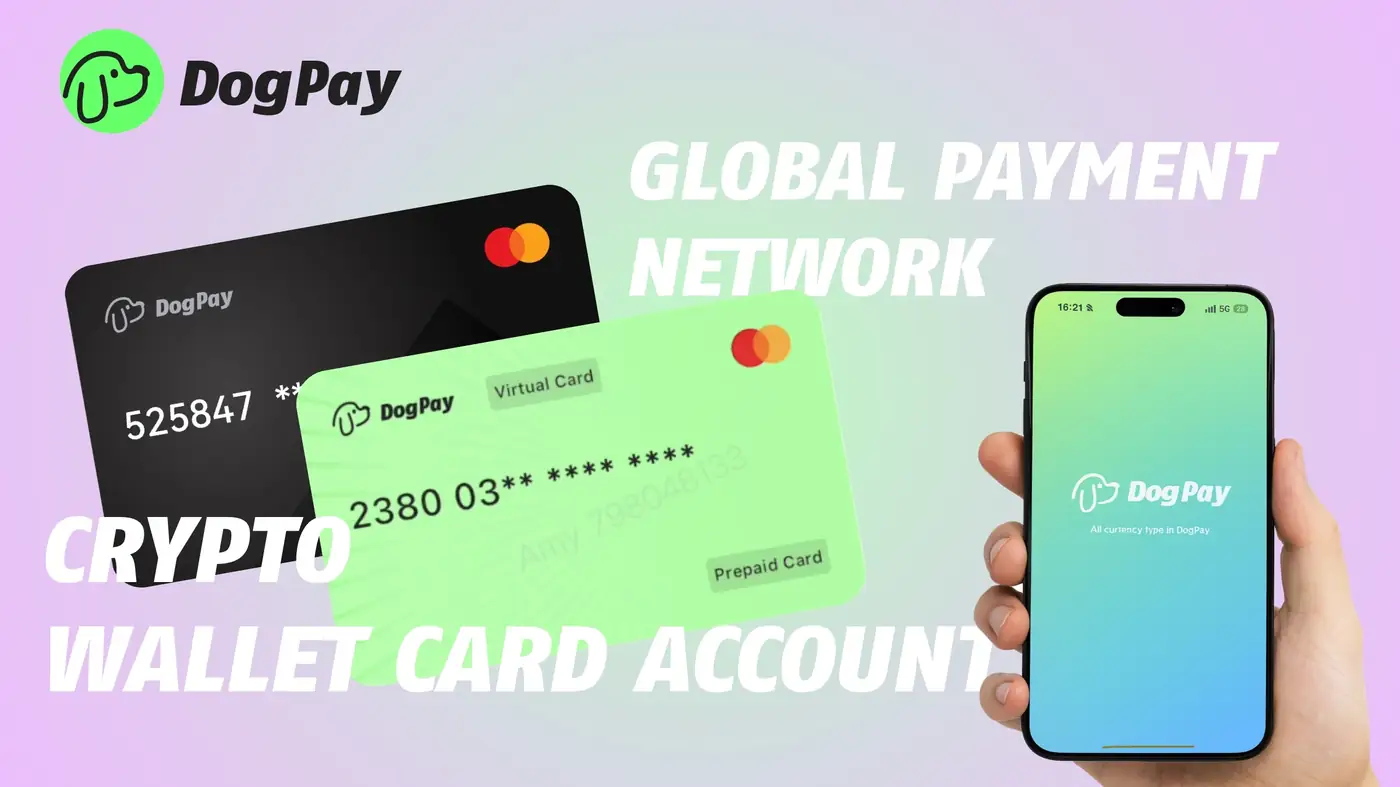
Businesses often ask whether to issue prepaid cards or virtual cards for spend management. Both options are available through DogPay, but they serve different purposes.
Prepaid cards are physical or digital cards loaded with a fixed balance. They work well for one-time budgets, contractor payments, or specific project funds. Once the balance is spent, the card cannot be used again unless reloaded. This helps prevent overspending without requiring real-time oversight.
Virtual cards are generated instantly with unique card numbers, expiration dates, and spending limits. They are ideal for recurring subscriptions, online advertising, and vendor payments where you want to set per-transaction or monthly caps. Virtual cards can be paused or closed without affecting other cards.
With DogPay, you can create both card types from your dashboard. Prepaid cards suit scenarios where you want a fixed amount for a discrete use, while virtual cards fit ongoing relationships where you need flexible but controlled spending. Both types provide visibility into where money goes, and funds are settled in stablecoins for speed and lower fees.
DogPay integrates into your payment workflow by offering a platform to issue and manage both prepaid and virtual cards. You can fund accounts via stablecoins, set spending rules per card, and track transactions in real time. This gives your finance team control over disbursements while reducing manual reconciliation. DogPay supports global accounts, so your team can spend in multiple currencies with cards accepted wherever Visa or Mastercard is used.